

We all yearn for respect, recognition, and

to family, community, and culture.
Every person develops their identity and self esteem, not in isolation, but in relationships, by belonging to family and community. Our belonging needs are vitally important for our human dignity, and for emotional and mental wellbeing. Severe mental illness can isolate a person, and break a person’s beonging to family and community through stigma, and confinement in institutional care in stand alone mental hospitals in many African countries such as Uganda.. YouBelong Uganda is about reconnecting persons in need to family and community. We see every persons need to belong, as a deep human longing and a human right… Learn More
40+ Per Month Model
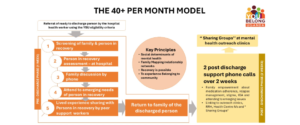
The 40+ Per Month Model provides a systematic pre-discharge, return-home, and post-discharge support process, including structured assessments, family engagement, group peer-led psychoeducation, and follow-up through sharing groups. Continue
Our Approach
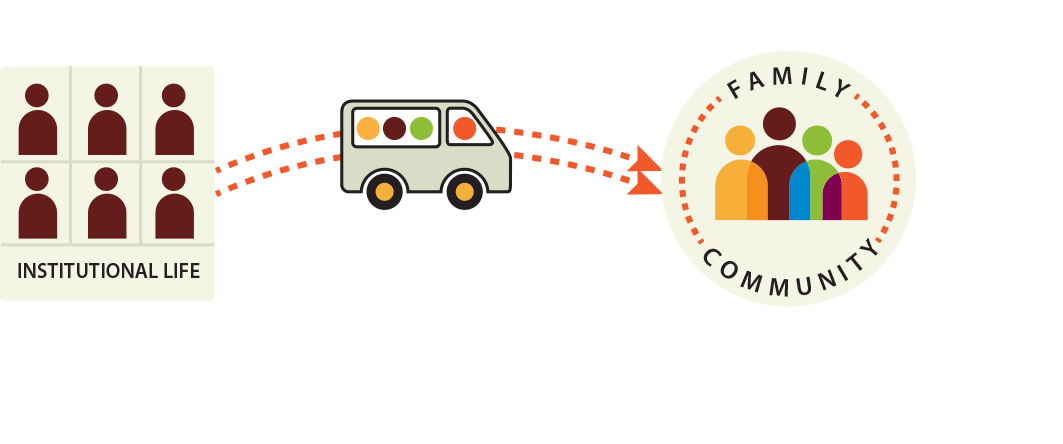
The YouBelong model for “care in the community” centres around a ‘bridge’ built between institutions and the community from which a clear pathway of care and opportunity for people leaving institutions emerges.
YouBelong HOME
A programme funded by YouBelong, a charity registered in England and Wales, to be implemented in Uganda by YouBelong Uganda, an autonomous NGO registered in Uganda
Working in partnership with the national referral mental hospital in Uganda, YouBelong Uganda will implement YouBelong HOME, a programme which prepares and then transports people ready for discharge back to their families and communities, and works with individuals, families, and local communities to reduce relapse and return to institutional life. Though it will have its roots in Uganda, the YouBelong HOME model will be replicable for use throughout East Africa. Learn More