


2026
Domestic Violence Response System in Uganda
Domestic violence remains a widespread and deeply rooted challenge in Uganda, with over half of women experiencing intimate partner violence in their lifetime. The Domestic Violence Act (2010) recognizes domestic violence as physical, sexual, emotional, psychological, and economic abuse, all of which have serious consequences for women’s mental wellbeing, family stability, and human dignity. Despite the existence of legal and institutional response mechanisms, repeated violence by the same perpetrators remains common, and many survivors continue to suffer in silence due to stigma, economic dependence, and fear of formal systems.
The report finds that most women seek help through informal channels such as family members, friends, religious leaders, and local council authorities, while only a small proportion report cases to police, health facilities, or courts. Although Uganda’s domestic violence response system shows strengths including strong community trust in local leaders, respected protection orders, and
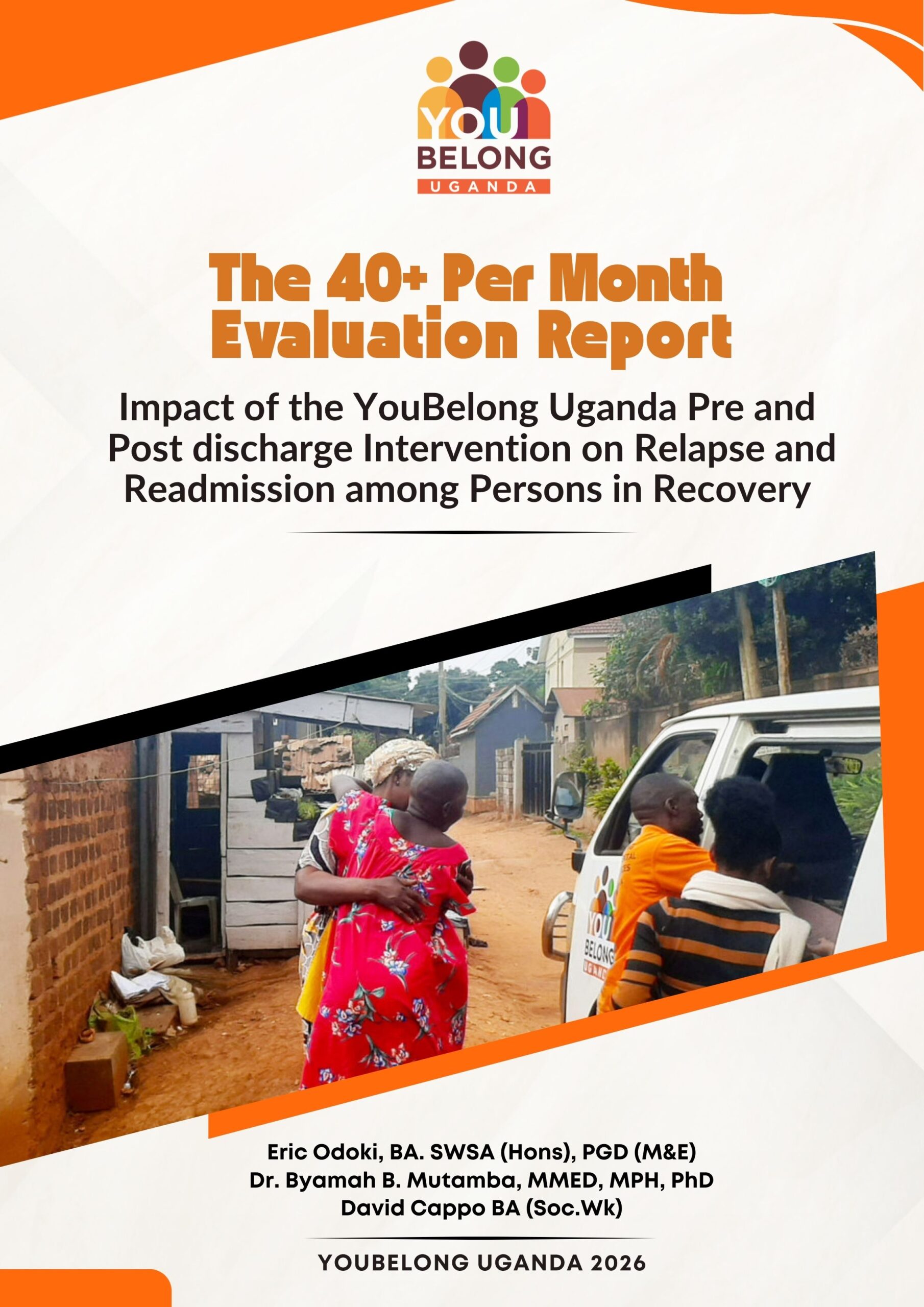
The YouBelong Uganda 40+ Per Month Evaluation Report
This evaluation report highlights key findings that will enhance the further development of the YouBelong Uganda program to return people living with severe mental illness from an overcrowded national mental hospital in Uganda back to family and local community.
Key learnings from this report are:
85% of people supported by the program remained safely at home, without needing to return to hospital, even though most had long-standing illness, multiple previous admissions, and complex needs.
Families and caregivers, backed by regular phone follow-up and education on warning signs, are able to recognize and manage relapses at home before they become a crisis requiring hospitalization.
The first month after returning home is the period of greatest risk, showing exactly where our post-discharge support can be strengthened further.
Alcohol and substance use remain a significant challenge for many participants, pointing to the next area of focus for the program.
2025
YouBelong Uganda 2024-2025 Annual Report
During July 2024–June 2025, YouBelong Uganda continued to strengthen community based mental health care by promoting dignity, belonging, and recovery for people living with mental health conditions. The organisation focused on reducing stigma, supporting families, and improving access to care through collaboration with government, health facilities, schools, and community leaders. A key area of work was the SCAPE U research project, which shows how people with lived experience of psychosis can play a powerful role as peer supporters, improving recovery outcomes and strengthening mental health services at community and primary health care levels.
YouBelong Uganda also expanded practical programs that directly support children, women, families, and communities. These included early mental health support for school going children through the PowerfulMinds programme, safe reintegration of people recovering from severe mental illness back into family life through the YouBelongHome programme, advocacy for women and girls affected by violence, youth consultation groups, community radio mental health education, and engagement with faith and traditional leaders. Together, these efforts demonstrate YouBelong Uganda’s commitment to inclusive, culturally responsive, and sustainable mental health care rooted in community partnership and lived experience.
POWERFULMINDS Schools as Communities of Care
POWERFULMINDS is a programme by YouBelong Uganda that helps children and adolescents feel safe, valued, and emotionally strong at school. It recognizes that school should be a place where children grow with confidence and joy—not fear or trauma. Through conversations, clubs, creative activities, and guided support, children are encouraged to speak about their feelings, build self esteem, and learn how to protect their wellbeing. Schools are supported to become caring spaces where every child belongs and can thrive.
POWERFULMINDS works by bringing everyone together around the child—teachers, families, community leaders, health workers, and child protection services. Teachers receive training to notice and respond to children’s mental health needs, parents and communities are engaged to support children at home and beyond school, and clear links are created with health facilities and protection services when extra help is needed. The programme is being rolled out and evaluated in schools in Jinja and Buikwe Districts in Uganda.
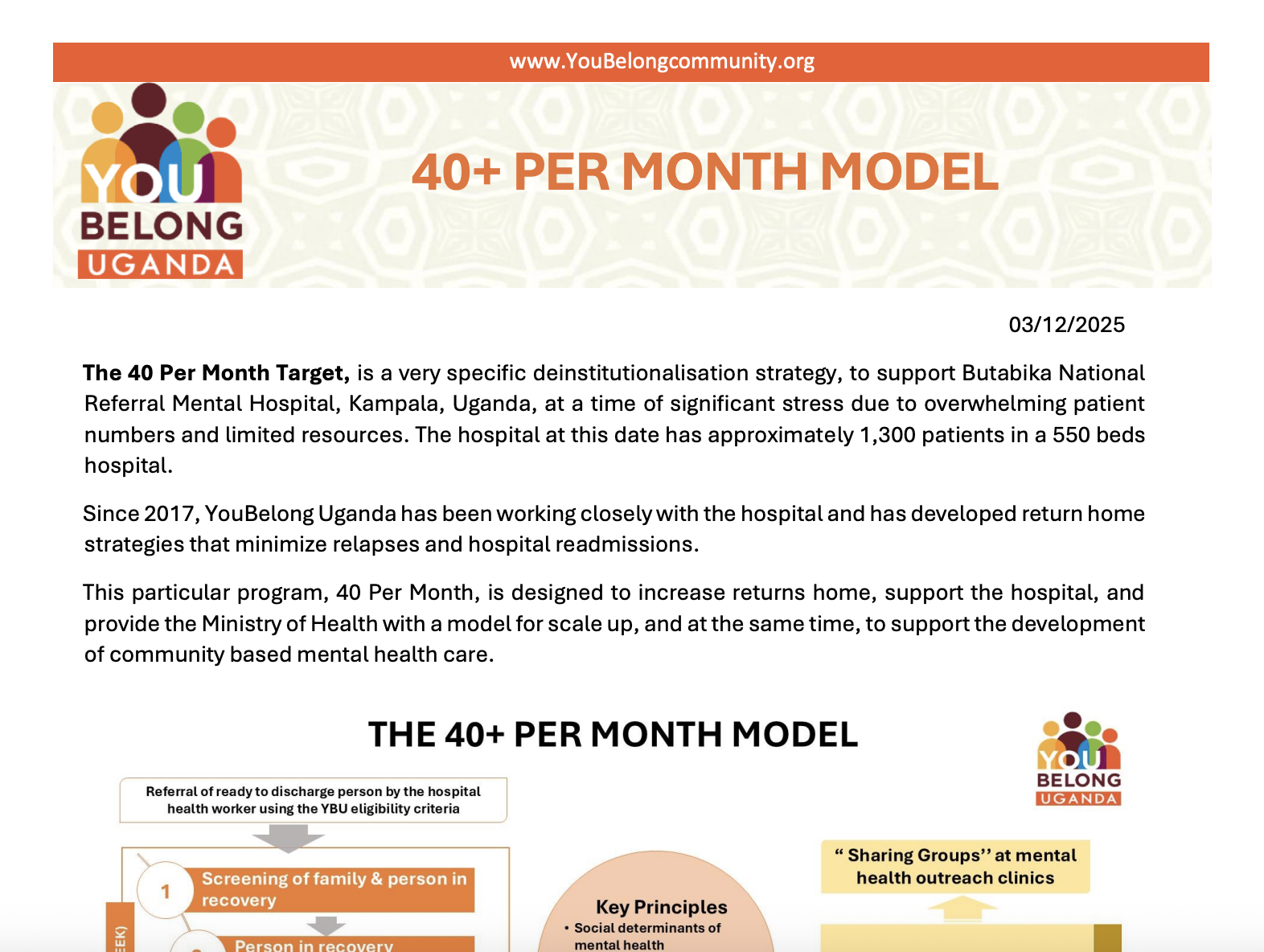
40+ Per Month Model
The 40+ Per Month model is a deinstitutionalization programme developed by YouBelong Uganda to depopulate Butabika National Referral Mental Hospital, which faces severe overcrowding while reducing relapses and readmissions. The initiative aims to safely return 40+ people in recovery to their family homes each month, reducing hospital re-admissions while strengthening community based mental health care and providing a model that can be scaled by the Ministry of Health.
The programme follows a structured pre discharge and post discharge process that includes screening of persons in recovery, individual and family assessments, peer led group sessions, and supported return home visits. After discharge, beneficiaries receive follow up phone support and are linked to outreach clinics and community sharing groups to promote recovery, medication adherence, stigma reduction, and long term social and economic reintegration.
2024
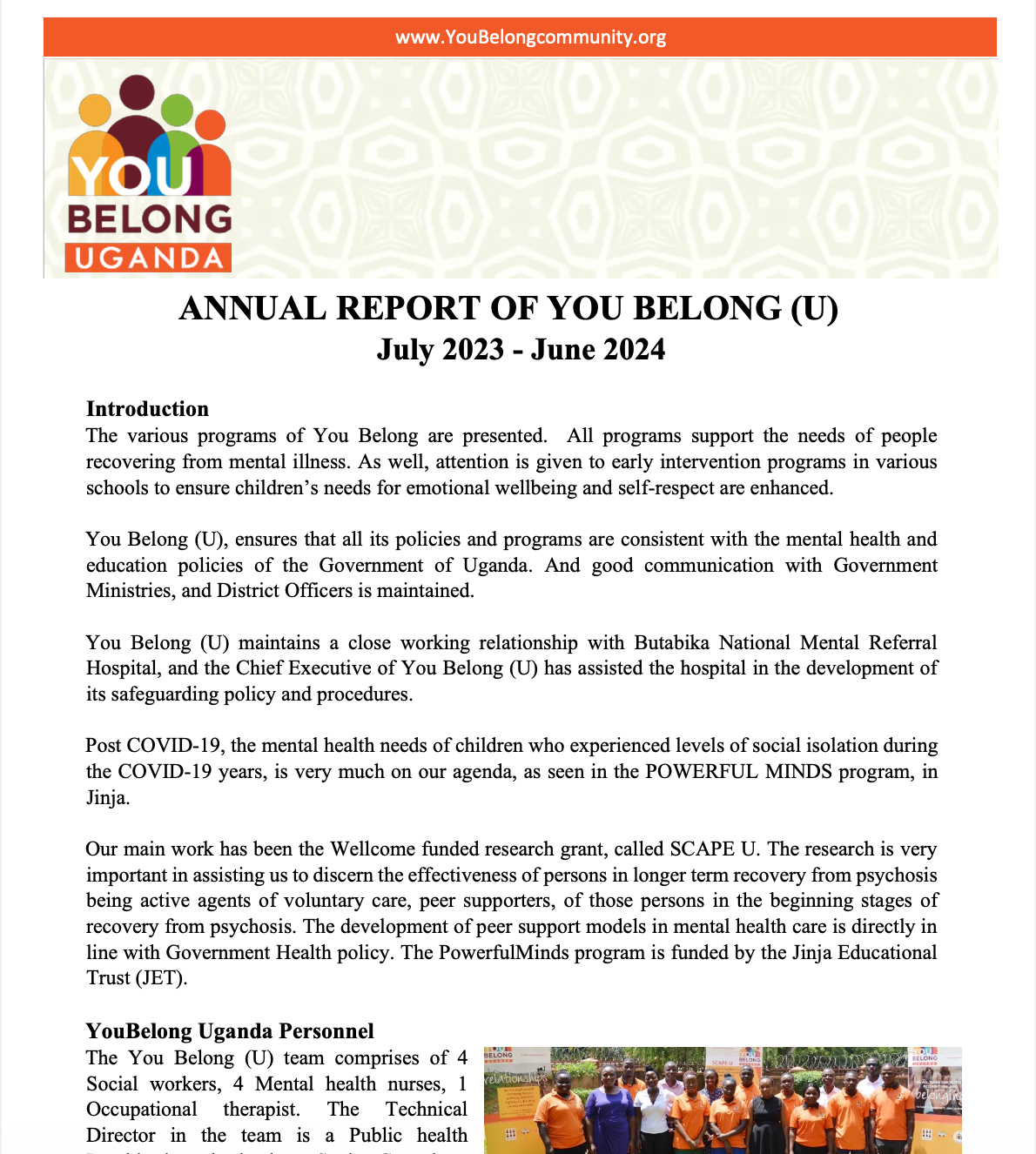
YouBelong Uganda Annual Report 2023-2024
Between July 2023 and June 2024, YouBelong Uganda focused on strengthening community based mental health care, research, and early intervention across Uganda. A major milestone was progress on the Wellcome Trust funded SCAPE U research project, which continued into its pilot and feasibility phase in Kampala and Wakiso districts. The project works with primary health facilities, Village Health Teams, service users, carers, and people with lived experience of psychosis, with early evidence showing the value of peer support in improving recovery and mental health service delivery. Alongside this, YouBelong Uganda supported health workers through training, supervision, community sensitisation, and ongoing collaboration with government and district health structures.
The organisation also expanded its community and prevention work. The PowerfulMinds programme continued in primary schools in Jinja and Buikwe, strengthening children’s emotional wellbeing, safety, and safeguarding systems. Public awareness was increased through monthly mental health radio programmes, while targeted initiatives supported women’s mental wellbeing, youth participation through consultation groups, and recovery from alcohol and substance use through the Humility Programme in partnership with the Catholic Archdiocese of Kampala. Across all programmes, the year reflected YouBelong Uganda’s continued commitment to lived experience leadership, community partnerships, and building a more inclusive and recovery oriented mental health system.
2023
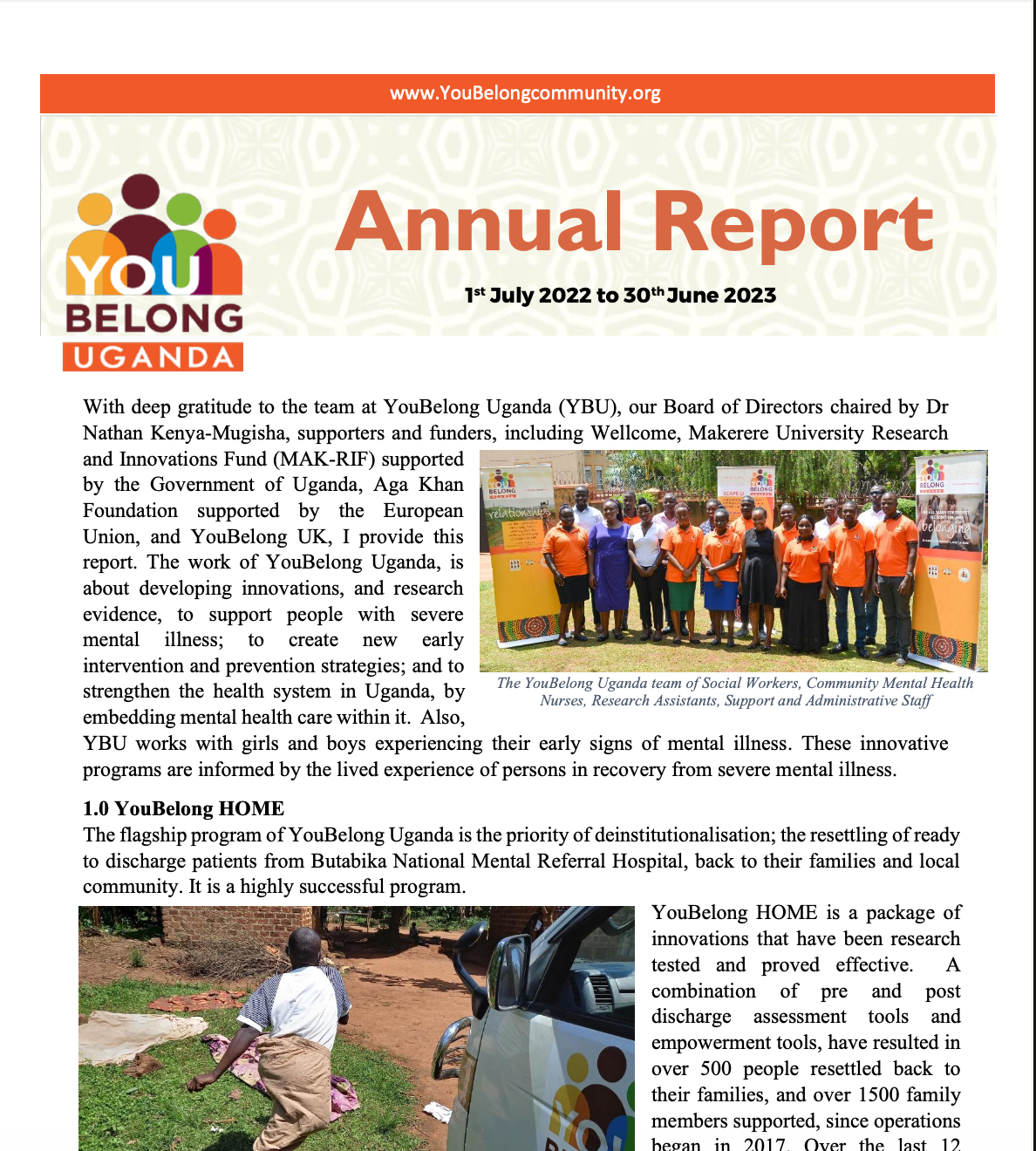
YouBelong Annual Report June 2022-2023
YouBelong Uganda advances mental health outcomes through community based care, research, and lived experience leadership. Between July 2022 and June 2023, the organisation supported people with severe mental illness, strengthened early intervention and prevention, and integrated mental health care within families, schools, and communities.
The flagship YouBelong HOME programme enabled the successful reintegration of individuals discharged from Butabika National Mental Referral Hospital, achieving strong recovery outcomes through family engagement and community follow up. In parallel, partnerships with government, academic, and civil society actors strengthened primary care, increased mental health awareness, and reduced stigma.
YouBelong Uganda also prioritised children and young people through school based and youth led initiatives, building capacity among students, educators, and health workers to identify and respond to mental health needs early, while centring co production with people with lived experience.
2021
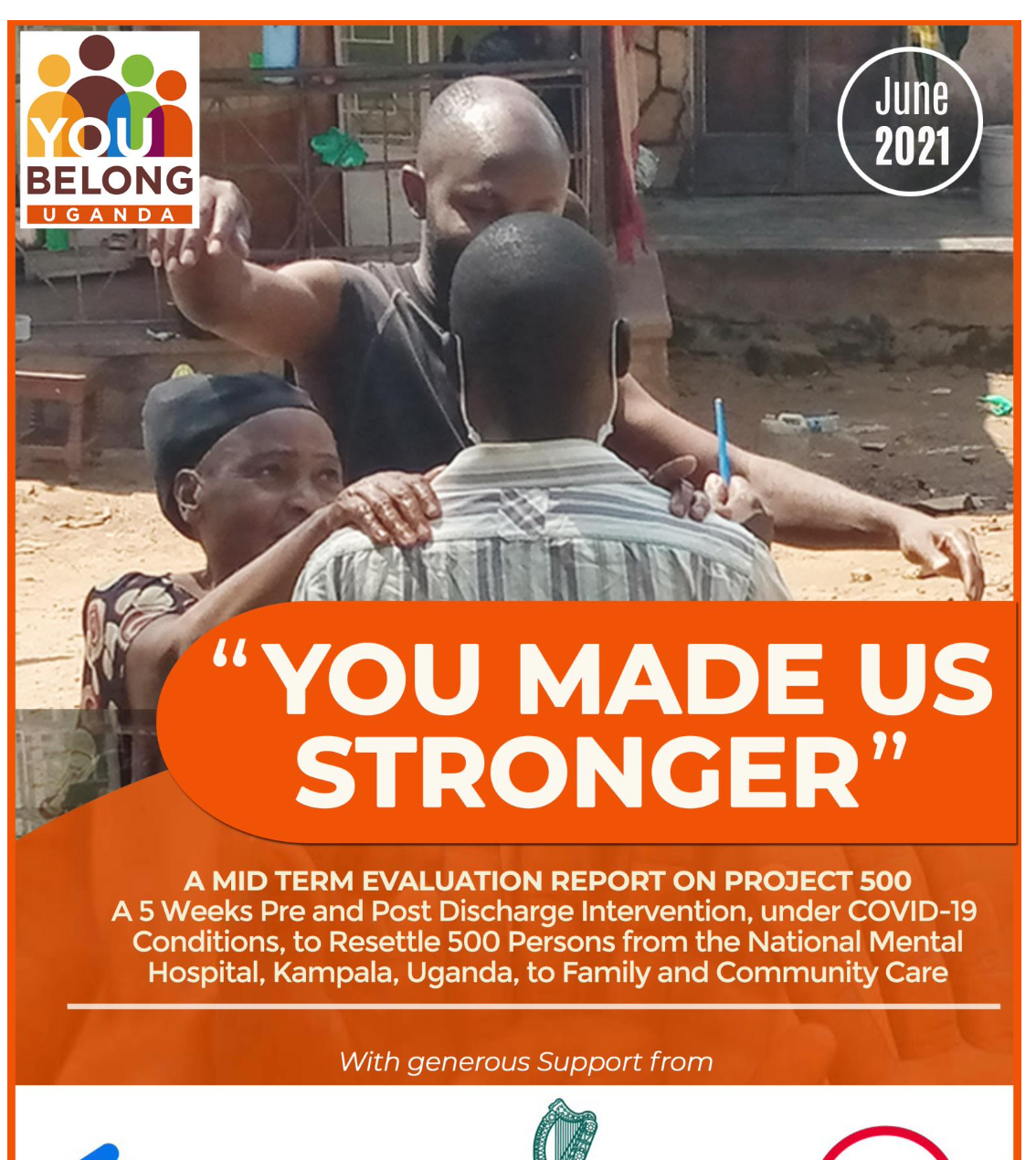
Project 500
PROJECT 500, is a program developed in COVID-19, emergency conditions, to resettle 500 patients from Butabika National Referral Mental Hospital, back to family care, while supporting the returned person, and their family, to minimize relapses and readmissions to the hospital.
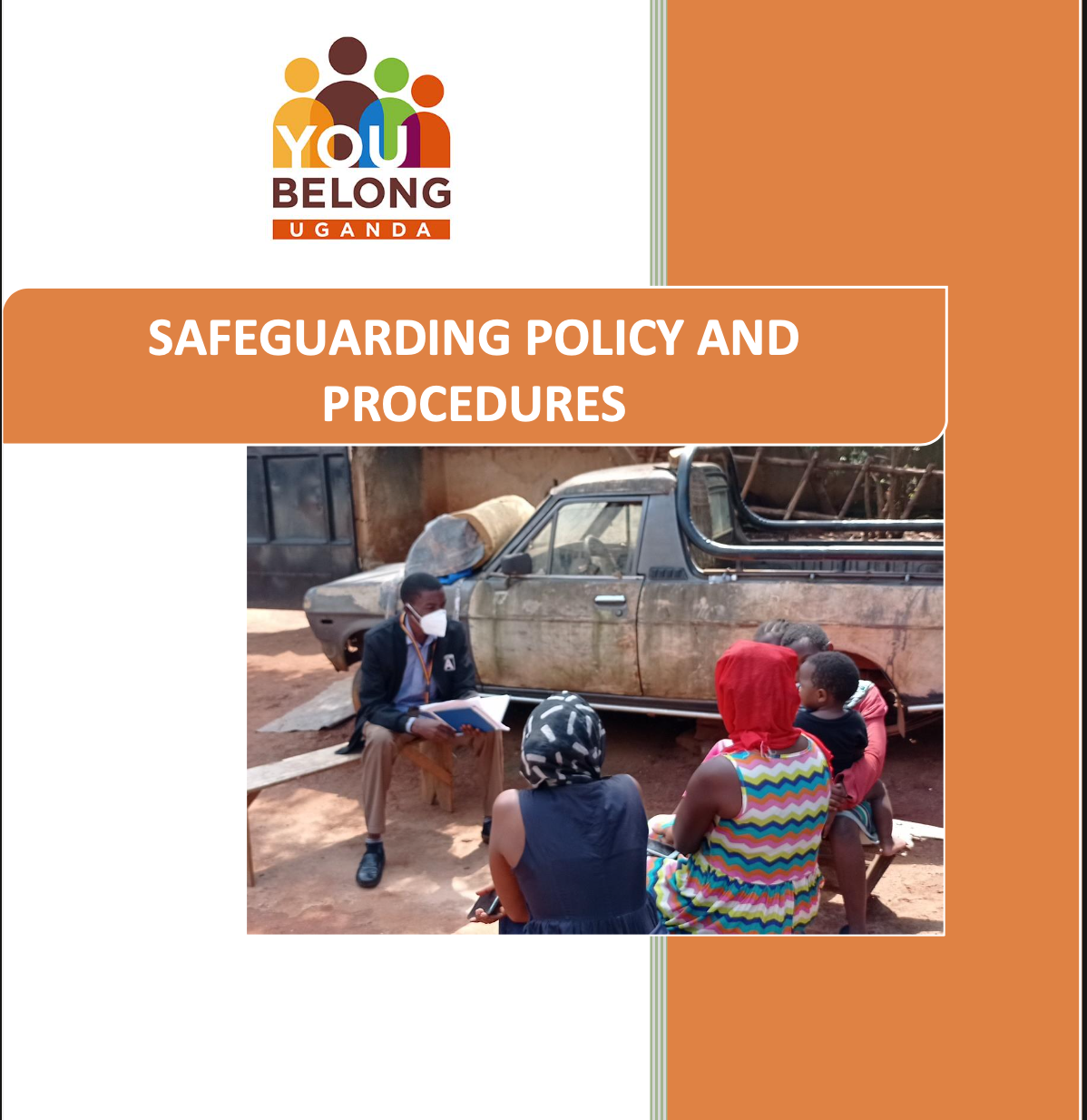
YBU Safeguarding Policy and Procedures
The Safeguarding Policy and Procedures outlines YouBelong Uganda’s commitment to protecting the rights, dignity, and wellbeing of all staff, volunteers, and persons in recovery especially children and vulnerable adults, including people with mental health and neurological conditions. Grounded in international human rights frameworks and Ugandan law, the policy emphasizes a culture of care, gender sensitivity, confidentiality, and zero tolerance for abuse, discrimination, harassment, or exploitation. It applies to all personnel and is mandatory as part of induction, training, and employment.
The document defines key safeguarding terms and sets out clear responsibilities, including the appointment of a Safeguarding Officer and regular training. It provides a structured complaints and reporting process for suspected or disclosed abuse, prioritizing confidentiality, fairness, victim safety, and timely action.
2020
Understanding Mental Health Services in Uganda
Psychosis, the archetypal mental illness, has negative health, social and economic consequences for individuals, their families and communities. These are more pronounced in low resourced countries like Uganda where accessible and responsive mental health services are almost nonexistent for the majority of the population. YouBelong Uganda, in keeping with its mission of developing community mental health services, set out to investigate the current state of mental health services for psychosis in Uganda. This Landscape report details findings that form an evidence base on which to improve care for persons and families affected by psychoses and related mental disorders in Uganda and similar contexts