Ministry of Health and YouBelong Uganda engage with stakeholders to share ideas to assist in decongesting Butabika Hospital
Ministry of Health and YouBelong Uganda engage with stakeholders to share ideas to assist in decongesting Butabika Hospital
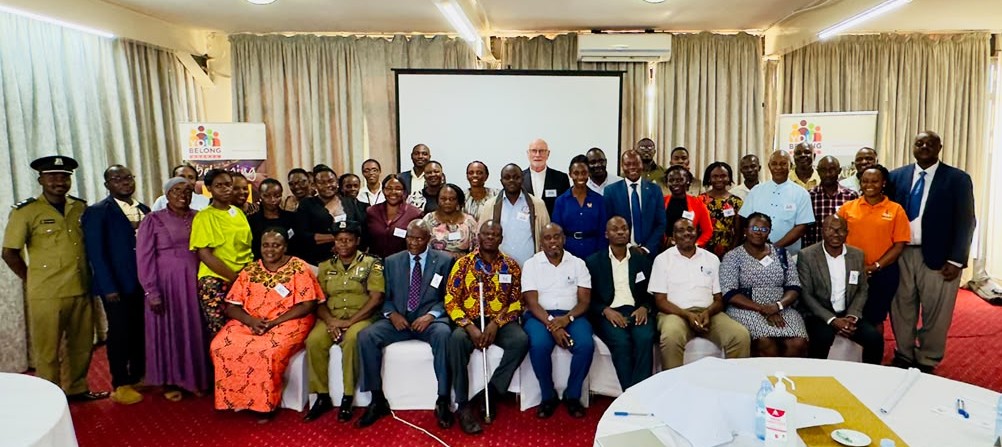
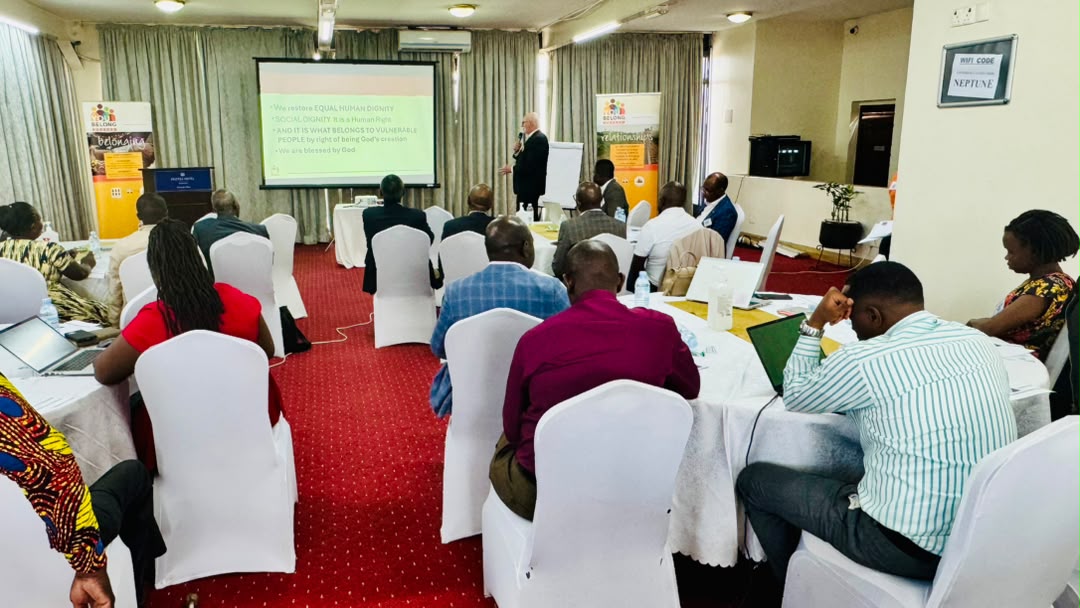
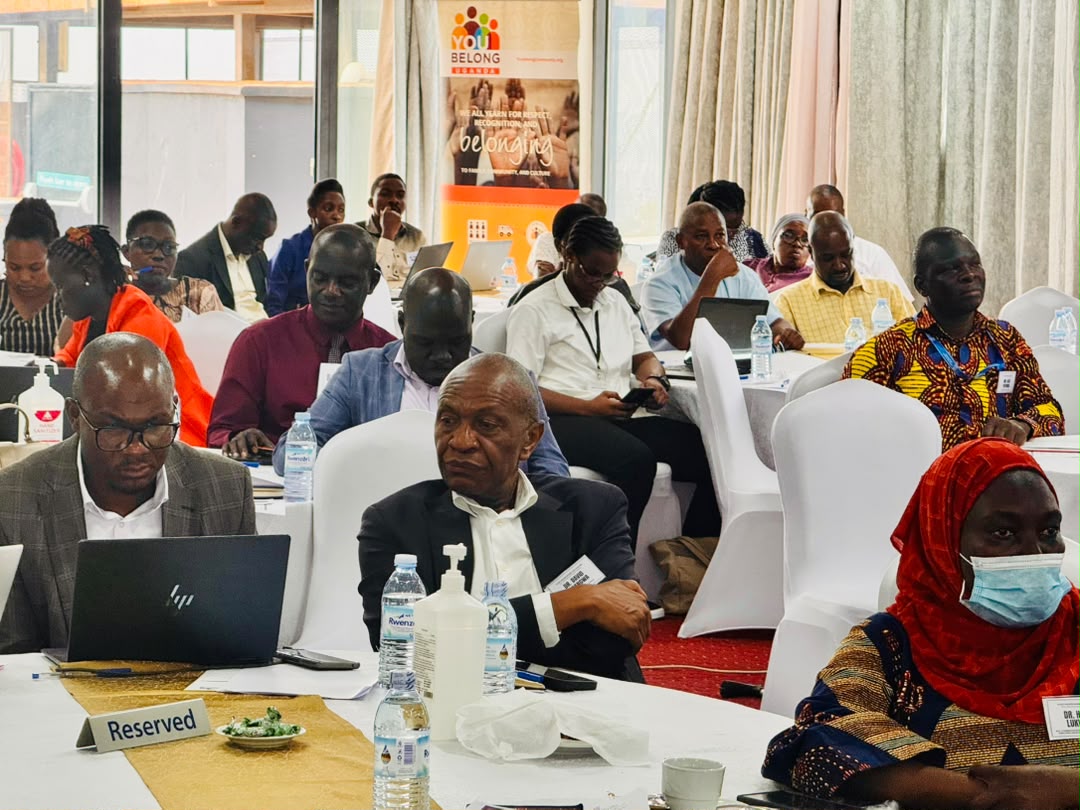
On 16th June 2026, the Ministry of Health and YouBelong Uganda convened a stakeholders’ roundtable at Skyz Hotel Naguru under the theme, “Sharing Ideas to Assist in the Decongestion of Butabika Hospital.” The meeting brought together representatives from the Ministry of Health, the Ministry of Education and Sports, the Ministry of Gender, Labour and Social Development, Butabika Hospital, regional referral hospitals, civil society organisations, the Police, caregivers, and people with lived experience. The discussion focused on practical, collaborative approaches to easing pressure on Uganda’s national referral hospital for mental health while strengthening community-based systems of care.
Patrick Bitature, Patron of YouBelong Uganda, called for a fundamental shift in how Uganda responds to mental illness. He noted that not every patient requires long-term institutional care and emphasised the importance of equipping families and communities to support recovery. He observed that Butabika Hospital, originally designed for approximately 550 beds, is currently accommodating more than 1,000 patients. He also highlighted the compounding effects of alcohol and substance use, as well as the persistent stigma that discourages families from caring for affected relatives at home.
Monsignor David Cappo, Chief Executive of YouBelong Uganda, underscored the need for cross-sector collaboration and a sustained commitment to restoring dignity to vulnerable people. He said the roundtable was intended to generate practical ideas for reducing the hospital population over the next three to four years through a joint plan that meaningfully includes people with lived experience.
Speaking on behalf of the Ministry of Health’s Department of Non-Communicable Diseases, Dr Kalani described the congestion at Butabika as a health-system challenge rather than an isolated hospital issue. He pointed to rising rates of mental illness and increasing demand for services, both of which are placing strain on infrastructure, staffing, and quality of care. He stressed that long-term solutions will require coordinated action across government sectors, communities, and the private sector to reduce relapse and improve support after discharge.
The YouBelong model as a pathway to reintegration
Kenneth Ayesiga, Team Leader at YouBelong Uganda, outlined the YouBelongHome programme and its role in supporting patients before and after discharge. The model includes identifying individuals ready for discharge, engaging families, and preparing households for reintegration through psychoeducation, family mapping, and relapse awareness. He noted that successful recovery depends not only on returning a patient home, but on ensuring that the home environment is prepared to provide support. The programme also works with nearby health centres, outreach clinics, and other community structures to strengthen continuity of care.
Eric Odoki presented findings from YouBelong Uganda’s programme, which supports more than 40 people each month. According to the report, 85% of those who returned home remained there. The findings identified continuity of care as the most significant gap, with alcohol and substance use emerging as key drivers of relapse.
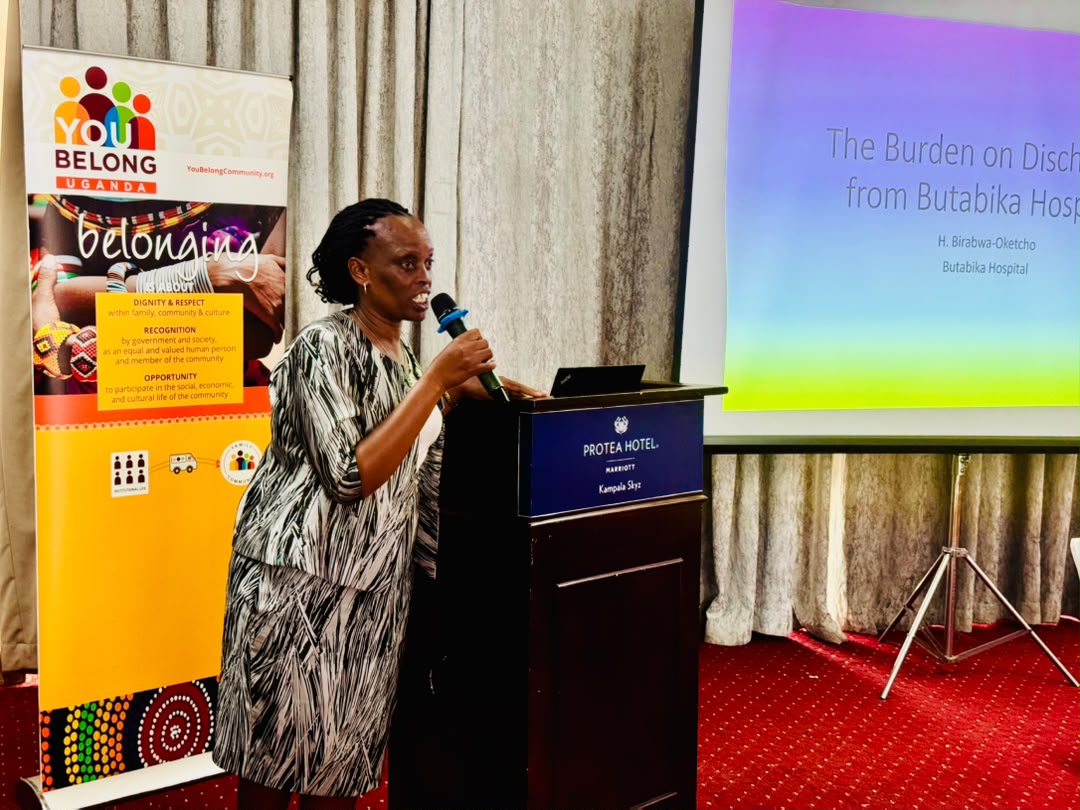
Representing Butabika Hospital, Dr Birabwa spoke about the burden of managing discharges in a context where many patients present with severe, chronic, and relapsing mental illness. She noted that the hospital continues to care for long-stay patients and others who return repeatedly in crisis. Emphasising that recovery cannot depend on medication alone, she called for stronger reintegration systems that ensure patients are supported to remain stable after returning to their communities.
A call for stronger local services, caregiver support, and policy implementation
Participants agreed that meaningful decongestion will depend on strengthening lower-level and regional mental health services, improving medicine availability, expanding psychosocial support, and building the capacity of health workers and community structures.
Edith Kebirungi, a social worker at YouBelong Uganda, addressed the factors driving admissions to Butabika Hospital. She explained that inflow is shaped not only by family and community challenges, but also by broader health-system gaps, including understaffing, medicine shortages, and limited mental health capacity at lower-level facilities. She argued that addressing both admission and discharge pathways simultaneously is essential to creating a more stable and responsive system.
During the discussion, participants raised issues related to justice, school-based mental health, police responses, psychosocial support, and the need to operationalise existing policies. Dr Mutamba encouraged stakeholders to prioritise practical policy and community-level changes, including training for community health workers and police officers. Dr Hafswa Lukwata emphasised that regional referral hospitals should play a far more central role in expanding access to care. By the close of the meeting, there was broad consensus that reducing pressure on Butabika Hospital will require a coordinated response that begins well before admission and continues long after discharge.
Closing the meeting, Dr Hafsa Lukwata called for sustained collaboration among government, health workers, civil society, caregivers, and people with lived experience. The roundtable ended with a shared commitment to translate the day’s recommendations into a long-term plan for community-based mental health care in Uganda.
Gallery